
Starter Car Strategy Guide
Every empire begins with one car. This guide compares the beginner-accessible vehicles in Car Empire Simulator, shows the real numbers behind each option, and lays out a simple 30-minute plan to turn your first purchase into a self-funding garage.
What makes a good starter car
Leaves a cash buffer for maintenance, tuning and your first entry fees.
Servicing eats into lease profits; cheaper cars break even faster.
Higher reliability means fewer surprise repairs and steadier lease income.
Even a small horsepower base can be tuned to enter low-tier street races.
A wide resale window lets you flip the car later without losing your shirt.
The faster you recover the purchase price, the faster you compound.
Starter car comparison
The three vehicles below carry the starter class in the game catalogue and are unlocked at low reputation. Numbers are live game data.
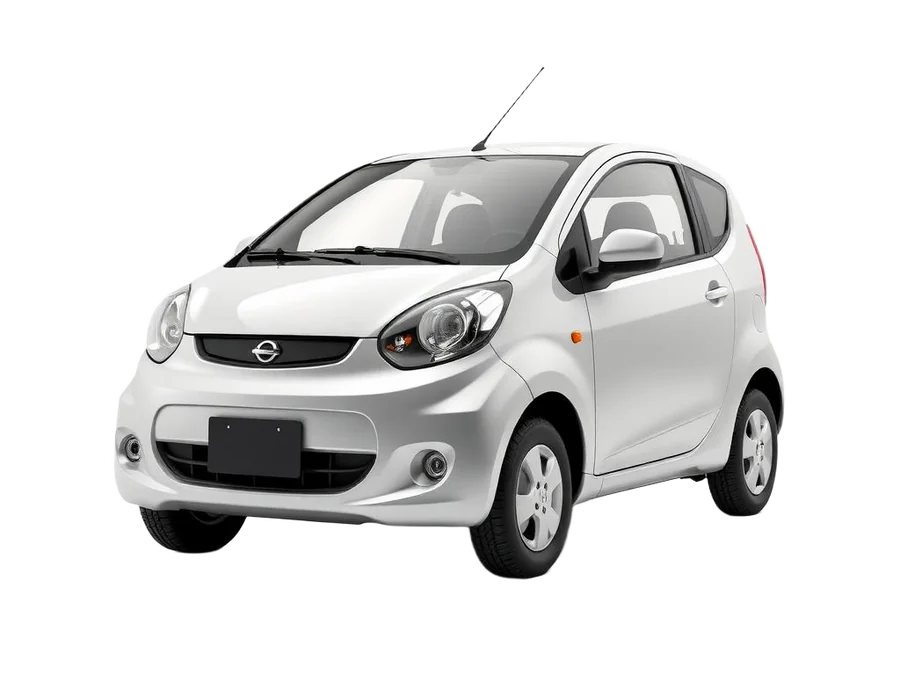
Cheerful three-cylinder city runabout.
- Price
- £3,800
- Running
- £40/day
- Reputation
- Any
- Reliability
- 78/100
- Resale
- £2,800–£4,500

French supermini with a warm-hatch attitude.
- Price
- £6,200
- Running
- £55/day
- Reputation
- Any
- Reliability
- 74/100
- Resale
- £4,600–£7,200
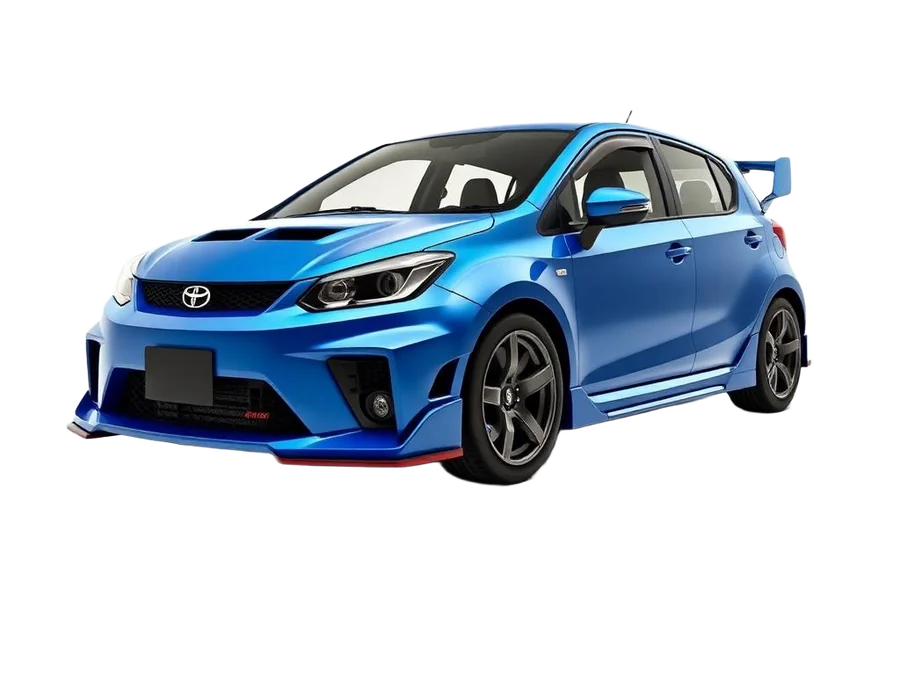
Turbo four-pot pocket rocket with a cult following.
- Price
- £9,800
- Running
- £70/day
- Reputation
- Rep 3+
- Reliability
- 70/100
- Resale
- £7,500–£11,500
| Car | Price | Running / day | Reliability | Lease / hr* | Payback* |
|---|---|---|---|---|---|
| Voxley Cora 1.2 | £3,800 | £40 | 78 | £3 | 1496 h |
| Renaro Cleo 1.2 Chorus | £6,200 | £55 | 74 | £5 | 1451 h |
| Hondara Civor R-Sport | £9,800 | £70 | 70 | £8 | 1407 h |
* Estimated lease income at full condition, based on current game balance. Actual payouts vary with condition, cleanliness and collection bonuses.
Recommended first choice
Balance data doesn't crown a single winner — pick by how you want to play.
Lowest ticket price and smallest daily running bill — the fastest way to survive your first mistakes.
Balanced reliability, resale ceiling and running costs — the strongest cash-flow platform.
Highest horsepower base of the starter class — the shortest jump to entering early street races.
First 30 minutes strategy
- 1Buy one starterHead to the Shop and pick a single starter that fits your budget. Leave at least 30% of your cash on hand.
- 2Send it out on leaseFrom the Garage, open the car and start a lease. Lease income accrues hourly, even while you're away (offline income caps at 8 hours).
- 3Collect on returnOpen the garage when you return. Use the free Auto Collect upgrade in the Store to grab pending income automatically for a couple of hours.
- 4Service before condition dropsWhen condition falls under about 70, run Maintenance. A serviced car earns more per lease and avoids expensive repairs later.
- 5One small tuneA single tune step is cheap and unlocks better event placings. Don't stack tunes on a starter — save that money for car two.
- 6Save, don't spendSkip cosmetic detailing on a beater. Bank profit until you can afford a second car without emptying your reserves.
Early mistakes to avoid
- ✕Blowing your opening cash on cosmetic detailing before you have any income.
- ✕Buying a second car before the first has covered its own price in lease income.
- ✕Ignoring condition — cars in poor condition earn much less on lease and cost more to fix.
- ✕Draining your cash reserve to zero, then getting stuck when a repair or entry fee lands.
- ✕Selling a starter too early — the resale window rewards patience.
- ✕Stacking tunes on a low-tier car instead of saving for a genuinely faster one.
When to buy your second car
A sensible rule of thumb: keep a buffer of ~40% of the next car's price in cash after the purchase. For the cheapest starter (Voxley Cora 1.2 at £3,800), that means saving roughly £5,320 before you buy the second vehicle. This covers a service, a tune, and one bad race without stalling your empire.
- Cash buffer
≥ 40% of next price - Lease uptime
Car one still leasing profitably - Reputation
Enough to unlock the target car